What exactly is NAD+? Is it really that important?

According to the regulations of the U.S. Food and Drug Administration (FDA), as of November 2022, NMN has been classified as an investigational drug rather than a dietary supplement, and thus cannot be legally sold as a dietary supplement in the United States. In other words, NMN is now considered an illegal health product in the U.S. Research findings indicate that NADH is an excellent promoter of NAD+, and therefore, studies related to NMN can also be expected to achieve similar effects with NADH.
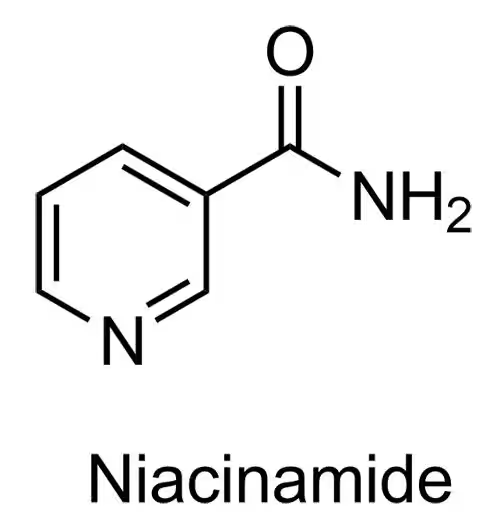
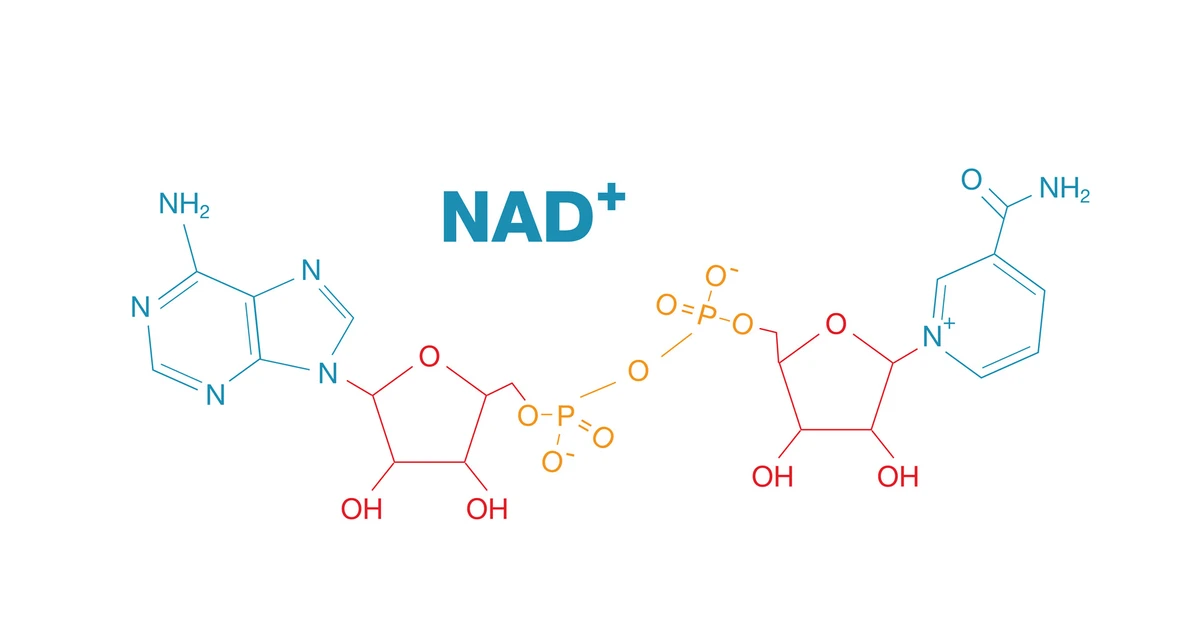
NAD stands for nicotinamide adenine dinucleotide. From bacteria to primates, it is one of the most abundant and critical molecules in cellular metabolism. In fact, without NAD+, we might die within 30 seconds. This molecule acts as the power generator of cells—it's key to mitochondrial function. NAD+ not only assists in converting food into energy but also plays an extremely crucial role in maintaining DNA integrity. NAD+ ensures the function of our defensive genes to help the body and protect us from aging and disease.

• What does NAD do in the body?
NAD+ can act as a shuttle bus, transferring electrons from one cellular molecule to another. Along with its molecular counterpart NADH, it participates in various metabolic reactions through electron exchange. These metabolic reactions generate adenosine triphosphate (ATP), the body's "energy" molecule. Insufficient levels of NAD+ may inhibit ATP production.
Other functions of NAD+ include regulating the sleep/wake cycle. NAD+ drives sirtuins to regulate metabolism and maintain stable chromosomes. This molecule also aids in repairing damaged DNA.
• As we age, NAD+ levels decline.
As people age, NAD+ levels decrease, indicating its significant implications for metabolic function and age-related diseases.
With aging, DNA damage accumulates, and this DNA damage activates the gene repair enzyme PARP. During the process of repairing DNA, PARP breaks down NAD+ to perform its DNA repair function.
The depletion of NAD+ through the activation of PARP during the aging process may lead to various diseases. In animal cell models of diseases such as cellular stress, PARP is activated due to DNA damage. Studies show that in these diseases, the depletion of NAD+ is primarily caused by the activation of PARP. This also indicates that the depletion of NAD+ caused by PARP activation leads to DNA damage and inflammation in diseases.
Enzymes in the immune system also consume NAD+. The more active the immune system, the more NAD+ is consumed by enzymes. As people age, the levels of enzymes in the immune system increase, thereby depleting the body's NAD+ levels.
Another class of enzymes that use NAD+, Sirtuins, also depletes NAD+ levels in the body with aging. Sirtuins play a crucial role in maintaining chromosome stability and DNA repair. As DNA damage and chromosome instability accumulate with age, Sirtuins consume more NAD+.
Scientists have identified several sources that lead to NAD+ depletion with aging, including defects in the cellular processes of NAD+ biosynthesis, consumption of NAD+ by PARP, and consumption of NAD+ by immune system enzymes and Sirtuins. Currently, scientists believe that among these sources contributing to NAD+ depletion, PARP has the greatest impact.


Discover the Power of Ashwagandha: Nature’s Adaptogen for Modern Wellness