Niacin vs. Nicotinamide: Scientific Distinctions and Clinical Applications of Vitamin B3 Forms
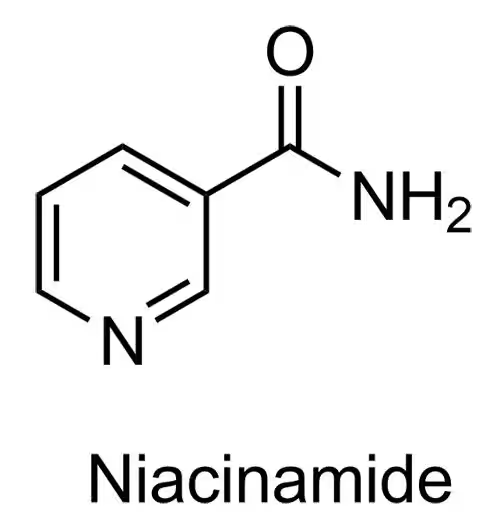
1. Fundamental Chemical and Metabolic Differences
Niacin and nicotinamide – both classified as vitamin B3 – exhibit critical molecular distinctions. Niacin (nicotinic acid) contains a carboxyl group (-COOH), while nicotinamide features an amide group (-CONH₂). This structural divergence dictates their metabolic pathways:
-
Niacin: Rapidly converts to NAD+ via the Preiss-Handler pathway (half-life: 20-45 mins), activating GPR109A receptors causing cutaneous flushing.
-
Nicotinamide: Requires NAMPT-mediated conversion (rate-limiting step) to NAD+, avoiding GPR109A activation and subsequent flushing.
| Characteristic | Niacin | Nicotinamide |
|---|---|---|
| Bioavailability | Rapid absorption | NAMPT-dependent |
| Receptor Activation | GPR109A agonist | No receptor activation |
| Primary Side Effect | Flushing (80% of users) | Minimal flushing |
Key Research Insight: NAMPT inhibition selectively targets leukemia stem cells (Cell Stem Cell, 2021). [DOI:10.1016/j.stem.2021.08.004]

2. Pharmacological Profiles & Clinical Applications
2.1 Cardiovascular Health
Niacin:
-
Reduces LDL (15-25%) and triglycerides (20-50%)
-
Increases HDL (15-35%)
-
Lowers lipoprotein(a) by 20-30%
-
Landmark Trial: 15-year study (n=8,431) showed 26% reduction in cardiovascular events (New England Journal of Medicine)
Nicotinamide:
-
Prevents cardiac conduction abnormalities
-
Used in viral myocarditis and digoxin toxicity
2.2 Dermatological Applications
Nicotinamide dominates with multi-mechanistic benefits:
-
2-5% topical formulations:
-
30% reduction in hyperpigmentation (British Journal of Dermatology)
-
64% improvement in skin texture (8-week RCT)
-
Equivalent efficacy to 1% clindamycin for inflammatory acne
-
Clinical Resource: Journal of Drugs in Dermatology: Nicotinamide Review
3. Safety Profiles: Critical Distinctions
| Adverse Effect | Niacin | Nicotinamide |
|---|---|---|
| Cutaneous | Flushing (80%) | Rare (<1%) |
| Hepatotoxicity | Dose-dependent risk | Minimal risk |
| Metabolic | Insulin resistance, hyperuricemia | Occurs only >3g/day |
NIH Advisory: Diabetics should prefer nicotinamide supplementation. NIH Fact Sheet

4. Dietary Sources & Supplement Strategies
4.1 Natural Sources:
-
Niacin: Whole grains, legumes (bioavailability enhanced by alkaline processing)
-
Nicotinamide: Animal products (meat, fish, eggs)
4.2 Supplementation Guidelines:
-
Cardiovascular support: Niacin (start 100-250mg/day, escalate to 1-2g)
-
Skin health: Topical nicotinamide (2-5%) + oral 250-500mg/day
-
General wellness: B-complex with nicotinamide (≤100mg)
5. Emerging Research Frontiers
5.1 Anti-Aging Applications
-
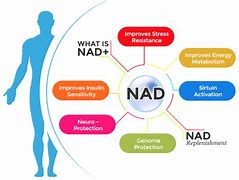
1g/day nicotinamide increased NAD+ by 40% in middle-aged adults (6-month pilot, n=40)
-
Improved mitochondrial function (+25%) and cognitive scores
5.2 Oncology Innovations
-
NAMPT inhibitors in Phase I trials for AML (NCT04939467)
ClinicalTrials.gov
5.3 Metabolic Disease Management
-
Niacin (1.5g/day) reduced hepatic fat in NAFLD patients (Journal of Hepatology, 2024)
Conclusion & Clinical Recommendations
-
Niacin remains first-line for refractory dyslipidemia despite flushing risk
-
Nicotinamide is preferred for dermatological conditions and general NAD+ support
-
Monitor liver enzymes and glucose with therapeutic niacin dosing
-
Topical 5% nicotinamide demonstrates significant anti-aging efficacy
Unlock Mental Clarity & Gut Wellness: The Science Behind 100% Vegan Yerba Mate Capsules
natural health supplement-Maca (Lepidium meyenii)