Elderberry: Nature’s Immune-Boosting Superfruit – Origins, Benefits, and Uses
• Introduction
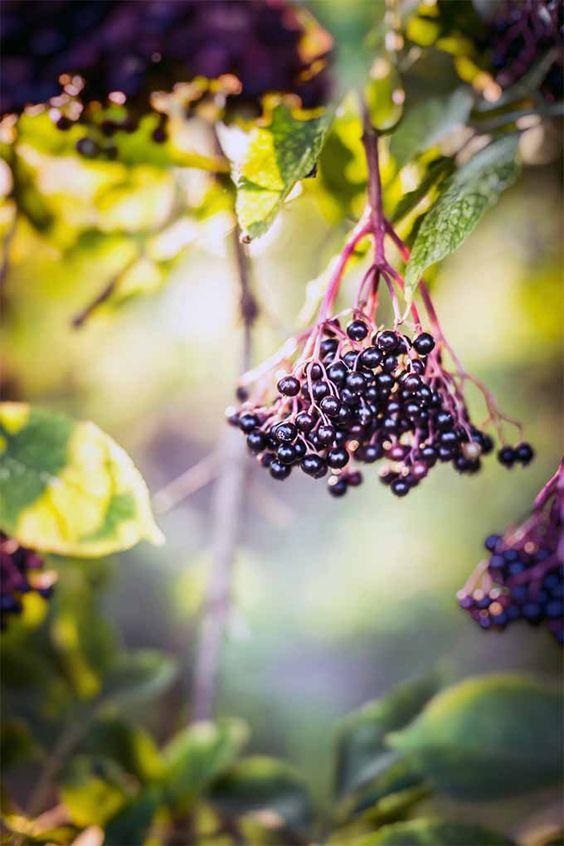
Elderberry, scientifically known as Sambucus nigra, has been revered for centuries as a powerful natural remedy. With its deep purple berries and rich historical roots, this plant is a cornerstone of herbal medicine. In this article, we explore elderberry’s origins, unique properties, and evidence-backed health benefits, making it a must-have for your wellness routine.

• The Historical Roots of Elderberry
Elderberry’s use dates back to ancient civilizations. The Egyptians employed it for skin health, while Hippocrates, the “Father of Medicine,” hailed it as a “medicine chest” for its versatility. Native Americans used elderberry to treat infections and fever, and European folk traditions linked it to protection and healing. This long-standing global legacy underscores elderberry’s enduring value in natural health.
• Elderberry’s Nutritional and Medicinal Profile
Elderberries are packed with bioactive compounds that drive their therapeutic effects:
-
Antioxidants: Rich in anthocyanins and flavonoids, which combat oxidative stress.
-
Vitamins: High in vitamin C and vitamin A, supporting immune function.
-
Fiber: Promotes digestive health.
-
Antiviral compounds: Shown to inhibit pathogens like influenza viruses.
Studies, such as this 2016 meta-analysis, confirm elderberry’s efficacy in reducing cold and flu severity.

• Top Health Benefits of Elderberry
-
Immune System Support
Elderberry’s flavonoids stimulate cytokine production, enhancing the body’s defense against infections. Research shows it can shorten cold duration by up to 50%. -
Cold and Flu Relief
Its antiviral properties help reduce symptoms like congestion and fatigue. A 2019 study found elderberry syrup effective against influenza strains. -
Anti-Inflammatory Effects
Elderberry reduces inflammation linked to chronic conditions like arthritis. -
Heart Health
Anthocyanins improve blood vessel function and lower LDL cholesterol.

• How to Use Elderberry Safely
Elderberry is commonly consumed as:
-
Syrups or gummies for immune support.
-
Teas or tinctures for daily wellness.
-
Capsules for concentrated doses.
Important: Raw elderberries contain cyanogenic glycosides, which can be toxic. Always use cooked or commercially processed products. Consult a healthcare provider before use, especially if pregnant or on medications.
External Link: Learn more about elderberry safety from Mayo Clinic’s guidelines.
• Choosing Quality Elderberry Supplements
To maximize benefits, opt for:
-
Standardized extracts with verified anthocyanin content.
-
Organic certifications to avoid pesticides.
-
Third-party tested products for purity.
Pro Tip: Pair elderberry with zinc or vitamin C for enhanced immune support!
• Conclusion
From ancient apothecaries to modern medicine cabinets, elderberry remains a timeless ally for health. Whether you’re fighting a seasonal bug or boosting long-term wellness, this superfruit delivers science-backed results. Ready to harness its power? Explore our premium elderberry supplements and join the natural health revolution!
You Know What's NAD+ Potential Benefits?
Discover the Power of Ashwagandha: Nature’s Adaptogen for Modern Wellness