How to Increase NAD+ Levels in the Body?
author: Hanson
2025-05-16
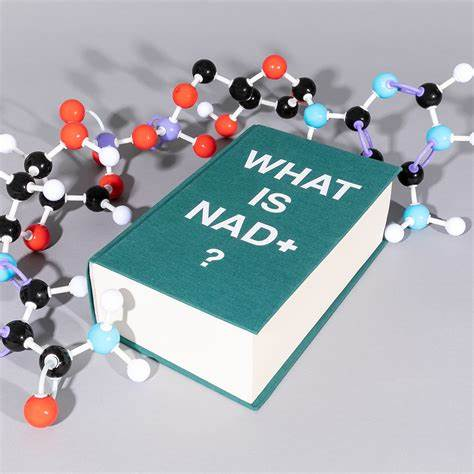
- Does NAD Extend Lifespan?
Yes, it can. If you are a mouse. Increasing NAD+ levels with supplements (such as NMN and NR) can extend the lifespan and healthspan of mice.
Elevated NAD+ levels play a moderate role in extending the lifespan of mice. A study published in 2016 in the prestigious journal Science found that using the NAD+ precursor NR could extend the lifespan of mice by about 5%.
Increased NAD+ levels can also prevent various age-related diseases. Preventing age-related diseases means living a longer, healthier life and increasing healthspan.
In fact, some anti-aging scientists like Sinclair believe they have personally taken NAD+ supplements, achieving success in animal studies. However, other scientists, such as Felipe Sierra from the National Institute on Aging, believe that such drugs are not ready. "Most importantly, I wouldn’t try any of these methods. Why not? Because I’m not a mouse," he said.
For mice, the search for the "fountain of youth" may be over. However, for humans, scientists believe we have not yet found it. Clinical trials of NMN and NR in humans may provide results in the coming years.

- How to Increase NAD+ Levels in the Body?
NAD+ levels can be increased by promoting its synthesis, which involves enhancing the enzymes involved in NAD+ biosynthesis or absorbing precursor molecules of NAD+.
1.Diet and Exercise
Adopting a healthy lifestyle through a balanced diet and moderate exercise not only benefits your mental health but can also increase your NAD+ levels.
Mild physical stressors like dieting and exercise can stimulate NAD+ production. In yeast, calorie restriction activates NAD+-dependent genes, Sirtuins, and significantly extends their lifespan. Caloric restriction can also continuously improve health across different strains and genders.
Many animal studies suggest that animals can also increase their NAD+ levels through exercise. A recent study on humans found that aerobic and resistance training can restore age-dependent enzymes related to NAD+ synthesis in muscles.
2.NAD Supplements
The most clinically tested NAD+ supplement, confirmed for its effects, is its reduced form—NADH. For a long time, NADH has been the most commonly used NAD+ supplement in the European and American markets.
In recent years, NMN and NR have also been used as supplements to increase NAD+ levels. NMN and NR are biosynthetic precursors of NAD+. These precursors share similarities, including their use of the "salvage pathway" for NAD+ biosynthesis. Both molecules are also safe for human consumption.
Scientists have conducted studies demonstrating that NR can increase NAD+ levels in humans. Research on NMN has also shown its ability to enhance NAD+ levels in rodents.
One study indicated that NMN transport proteins exist in the intestines of mice. The same transport protein gene is present in humans. If NMN transport proteins are similarly expressed in humans, the body could utilize NMN.
- Why Do People Use NAD+?
There are many reasons people take NAD+ supplements, including improving athletic performance, achieving a more youthful complexion, and combating age-related diseases. While some individuals feel that the boosters make them feel young and energetic, others do not see the same results.
Increasing evidence from animal studies may fuel the hype surrounding these therapeutic claims. Supplementing with NAD+ can enhance its bioavailability in cells, reverse age-related diseases, and moderately increase lifespan in animal models. However, the question remains whether these findings in animal models will translate to humans. Currently, there is no clinical trial evidence showing that supplements have therapeutic effects in humans (although related research results were published in academic journals in 2021).

- The Future of NAD+
For many, the aging world population may mean spending more time with loved ones, but it also brings the burden of age-related chronic diseases. According to data from the Milken Institute, in 2016, the total healthcare expenditure for chronic diseases in the United States was $1.1 trillion. When accounting for lost economic productivity, the total economic impact reached $3.7 trillion, nearly 20% of the United States' Gross Domestic Product (GDP).
With the arrival of the "silver tsunami," solutions to address age-related chronic diseases to alleviate health and economic burdens have become urgent. Scientists may have found a potential solution: NAD+.
NAD+ is referred to as the "miracle molecule," possessing the ability to restore and maintain cellular health, showing various potential in treating heart disease, diabetes, Alzheimer's, and obesity in animal models. However, understanding how animal research translates to humans is the next step for scientists to ensure the safety and efficacy of this molecule.
Scientists aim to fully understand the biochemical mechanisms of this molecule and continue research on NAD+ metabolism. The details of this molecular mechanism may reveal the secrets to bringing anti-aging science from the laboratory to the bedside.
Benefits of Caffeine !!